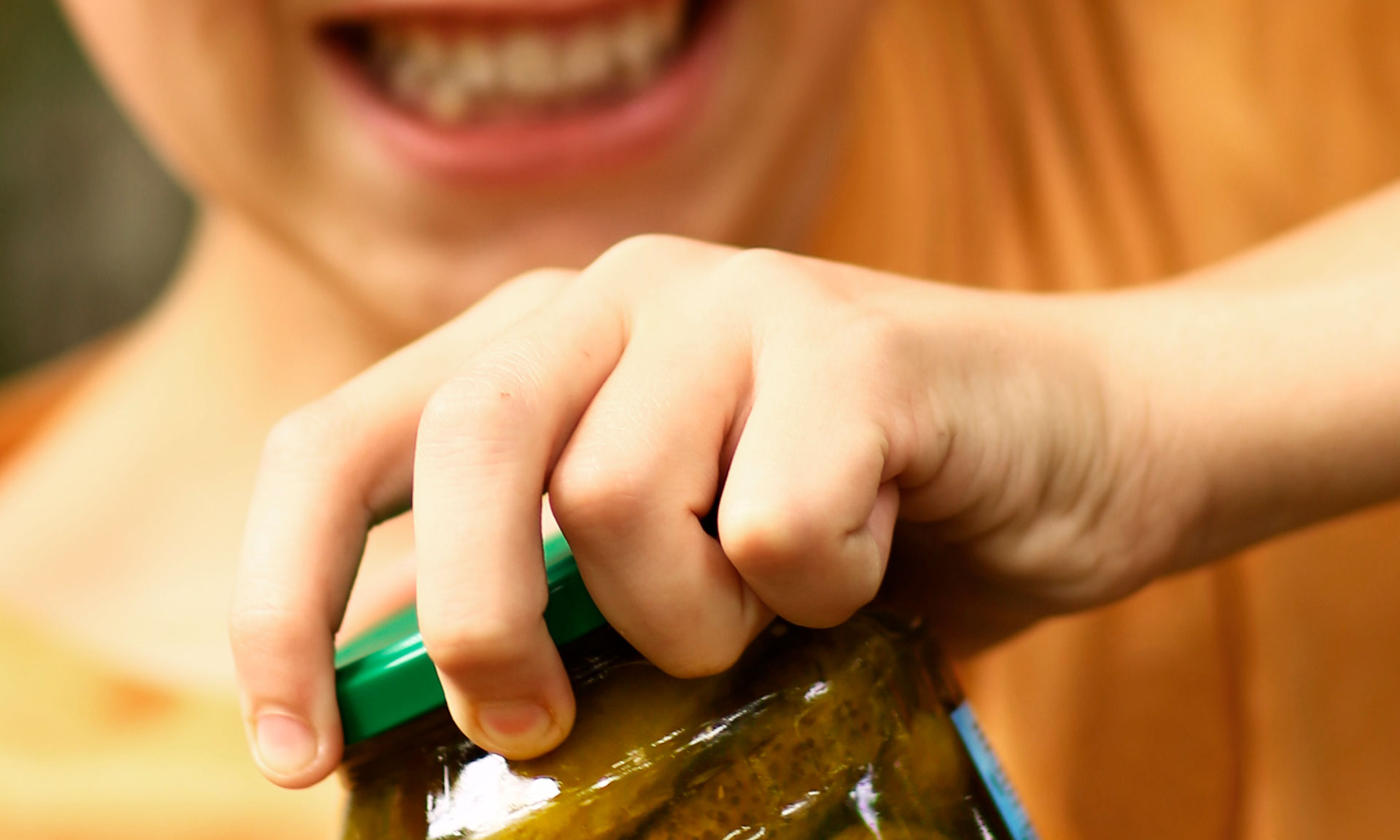
There's a single measurement that predicts longevity with remarkable accuracy — no blood draw required. It's called grip strength. And what it reflects goes far deeper than the strength of your hands.
Grip strength as a longevity biomarker
Multiple large-scale studies — including the PURE study with over 140,000 participants — found that grip strength is one of the strongest predictors of all-cause mortality available in clinical practice. Each 5kg reduction in grip strength was associated with a 16% increase in all-cause mortality and a 17% increase in cardiovascular mortality. This isn't because hand strength is life-saving in itself. It's because grip strength is a proxy for overall musculoskeletal integrity, neuromuscular efficiency, lean mass and mitochondrial function — all of which are powerfully influenced by the same lifestyle factors.
Why muscle mass is your longevity asset
Skeletal muscle is the largest metabolic organ in the body — accounting for 70-85% of insulin-mediated glucose uptake. It serves as the primary amino acid reservoir during illness. It produces myokines that support brain health and regulate immune function. And it determines functional independence into old age.
Sarcopenia (age-related muscle loss) begins as early as the 30s. It's almost entirely preventable — and partially reversible at any age — through resistance training and adequate protein intake.
What builds and preserves muscle at any age
Progressive resistance training: 3 sessions per week with multi-joint free movements. Studies in octogenarians show meaningful strength gains with appropriate training. Age is not a contraindication — it's a reason.
Protein adequacy: 1.5-2g per kg of body weight per day, distributed across meals. Leucine-rich sources (meat, fish, eggs) are the most potent muscle protein synthesis stimulators.
Sleep before 11pm: 70% of daily HGH is produced during deep sleep — the primary driver of muscle repair. Consistently sleeping well is a direct muscle preservation strategy.
Grip-specific work: Farmer's carries, dead hangs, towel rows. Grip strength responds directly to targeted training and carries over powerfully to overall strength capacity.
The simple self-test
Dead hang from a pull-up bar. Can you hang for 60 seconds? That's a reasonable minimum. Work towards 2 minutes. If 20 seconds is a struggle, make grip training an immediate priority. Your future self will notice the difference.
The strongest predictor of how long you'll live isn't in a blood test. It's in your hands.