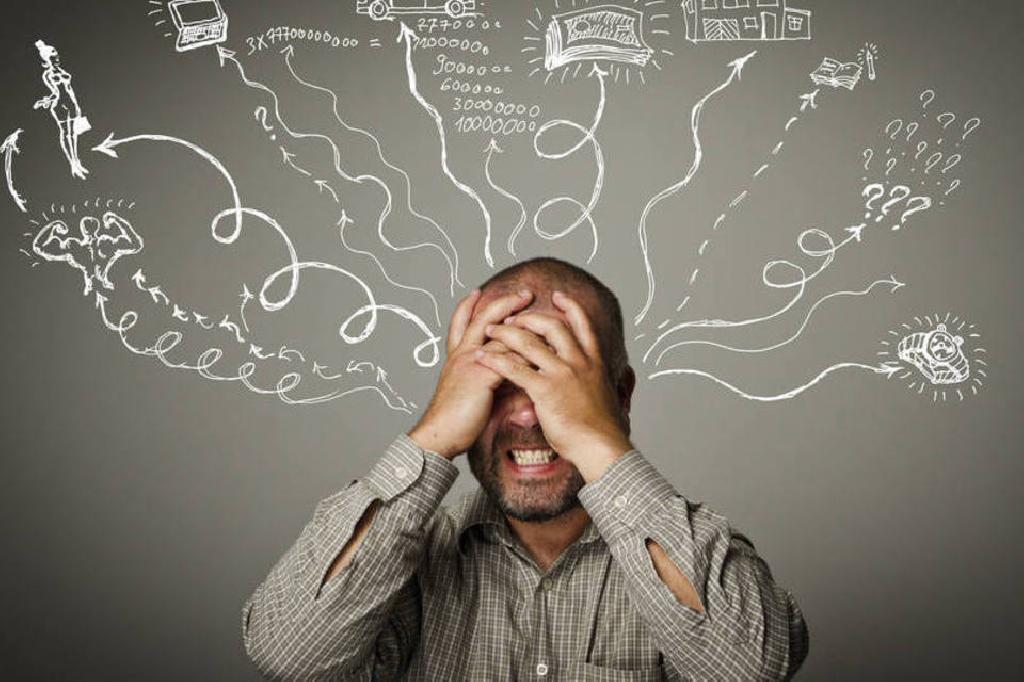
"I handle stress well." It's one of the most common things I hear — and one of the most dangerous misbeliefs in health. Not because the person is wrong about their capacity to function under pressure. They're often right about that. But functioning under stress and being unaffected by stress are two very different things. Your body keeps the score, even when your mind doesn't.
What stress actually is — beyond the feeling
Stress is a physiological response — not a psychological state. When your brain perceives a threat (real or imagined, physical or social, acute or chronic), it triggers the hypothalamic-pituitary-adrenal (HPA) axis: the hypothalamus signals the adrenal glands to release cortisol and adrenaline. Your heart rate increases, blood glucose rises, digestion pauses, immune function is temporarily suppressed, and your body prepares to fight or flee.
This is brilliant for short-term survival. Run from the predator, respond to the emergency, meet the deadline. The problem is that the HPA axis was never designed for sustained activation — for weeks, months or years of low-grade but continuous threat perception. And this is exactly what modern professional and personal life delivers to most people.
Chronic stress — what it's actually doing to you
When cortisol is elevated not as an acute response but as a chronic background state, it becomes — gradually, silently — one of the most destructive forces in the body.
Visceral fat accumulation
Cortisol directly promotes fat storage in the abdominal area — the metabolically active visceral fat that surrounds internal organs. The belly that appears despite unchanged eating is often primarily a cortisol story, not a caloric one.
Muscle breakdown
Cortisol is catabolic — it breaks down protein for fuel. Chronically elevated cortisol causes progressive muscle loss even in people who train regularly. Difficult gains, easy losses. Often attributed to age; frequently, it's cortisol.
Sleep destruction
Cortisol and melatonin are antagonists. Elevated evening cortisol delays sleep onset, reduces deep sleep quality, and causes early morning waking. The sleep doesn't restore. The cortisol remains elevated. The cycle continues.
Immune suppression
Chronic cortisol suppresses T-lymphocyte production and natural killer cell activity. More frequent infections, slower recovery, impaired wound healing, and increased susceptibility to autoimmune flares.
Hormonal disruption
Cortisol suppresses testosterone, HGH, oestrogens and progesterone production. The reproductive hormone axis specifically is highly sensitive to chronic stress — affecting libido, fertility, cycle regularity and menopausal symptom severity.
Cognitive impairment
Chronic cortisol impairs prefrontal cortex function — the seat of complex decision-making, emotional regulation and working memory. The "decisions get worse in the afternoon" phenomenon in executives is partly a cortisol story.
Cardiovascular risk
Elevated cortisol increases blood pressure, promotes inflammation of arterial walls, and raises blood glucose. The cardiovascular disease risk associated with high-stress occupations is largely mediated through these cortisol pathways.
Accelerated biological ageing
Chronic stress measurably shortens telomeres — the protective caps on chromosomes that determine biological age. The stress of demanding caregiving or high-pressure work accelerates cellular ageing in ways that are visible on biological age tests.
The insidious part
Most of this damage happens below the threshold of acute awareness. People adapt to feeling chronically sub-optimal to the point where it seems normal. "I've always had low energy." "I just don't sleep as well as I used to." "I gain weight easily now." These are frequently not inevitable features of age — they're the accumulated consequences of unmanaged chronic cortisol.
Detecting chronic stress — signals your body is sending
Chronic stress doesn't always feel like "being stressed". The most common presentations:
- → Fatigue that sleep doesn't resolve
- → Irritability without obvious cause, or disproportionate reactions
- → Waking at 3-4am and struggling to return to sleep
- → Abdominal weight gain despite stable eating
- → Reduced motivation to exercise — the body in conservation mode
- → Frequent minor illness — colds, infections that linger
- → Difficulty concentrating or making decisions with the usual ease
- → Craving sugar and refined carbohydrates — cortisol drives glucose-seeking behaviour
The tools that actually work
The word "stress management" has been so thoroughly colonised by wellness marketing that it's become almost meaningless. So let's be specific: what has documented physiological effects on cortisol, and what doesn't?
Cardiac coherence — the fastest documented cortisol reducer
Five seconds in, five seconds out. Repeated for five minutes. This specific breathing pattern creates a coherent heart rate variability waveform that activates the parasympathetic nervous system, measurably reducing cortisol within minutes. Three sessions per day — morning, midday, evening — produces cumulative effects on baseline HRV and cortisol levels within weeks. It can be done anywhere: at a desk, in a car, before a meeting. This is not relaxation — it's a measurable neuroendocrine intervention.
Outdoor movement — the cortisol-reducing environment
Exercise reduces cortisol acutely — but the environment matters. Indoor gym training maintains elevated cortisol throughout the session in many people (social observation, performance pressure, artificial light and sound). Natural outdoor environments reduce cortisol 15-20% more effectively than indoor training environments. The combination of physical exertion and natural environment is particularly potent — which is one reason outdoor coaching consistently produces better recovery outcomes than indoor training for high-stress populations.
Sleep architecture — addressing the feedback loop
Stress disrupts sleep. Poor sleep elevates cortisol. Elevated cortisol disrupts sleep further. The only way to interrupt this cycle is to address both simultaneously — cortisol management during the day (breathing, movement, nutrition) and sleep hygiene at night (timing, temperature, darkness, no alcohol). Neither alone is sufficient.
Intermittent fasting — unexpected cortisol benefits
Insulin resistance — driven by chronic cortisol — creates a metabolic stress that further elevates cortisol. The 16/8 intermittent fasting protocol addresses insulin resistance directly, creating a positive feedback loop: lower insulin → lower metabolic stress → lower cortisol → better sleep → lower baseline cortisol. The entry point is simple: stop eating by 8pm, eat again at noon.
Earthing — direct anti-inflammatory intervention
Direct contact between bare skin and natural ground normalises cortisol secretion — specifically the diurnal pattern (appropriately high in the morning, declining through the day, low at night). The mechanism involves electron transfer from the earth's negative charge, which reduces inflammatory markers that the chronic cortisol state promotes. Twenty minutes barefoot on natural ground, preferably in the morning.
Social connection — the most underestimated intervention
Human social connection directly activates the oxytocin system, which inhibits the HPA axis. Genuine social interaction — not networking, not performance, but real connection — is one of the most powerful cortisol antagonists available. Chronic loneliness and social isolation are, conversely, one of the strongest chronic cortisol drivers. For professionals who fill their social time with transactional interactions, this distinction is significant.
The practical protocol
- Morning: Natural light within 30 minutes of waking. 10 minutes barefoot outside if possible. No phone for the first 30 minutes — set the prefrontal cortex in proactive mode before stress inputs arrive.
- Midday: 10-minute walk outside. Cardiac coherence for 5 minutes if the morning was intense. Eat something real, away from your screen.
- Training: Outdoors, 40 minutes maximum. Compound movements. The cortisol spike of training should be followed by recovery — not more stress.
- Evening: Last meal by 8pm. No alcohol (it elevates cortisol and destroys sleep). No screens 60 minutes before bed. Cardiac coherence 5 minutes.
- Sleep: Bedroom cold (18-19°C), dark. Before 11pm. This is where cortisol is reset. Every missed night compounds the deficit.
- Weekly: One genuinely social anchor — not professional, not networking. Real. This is not optional for your biochemistry.
Stress doesn't ask permission. But how much of it stays in your body — that's something you can influence.